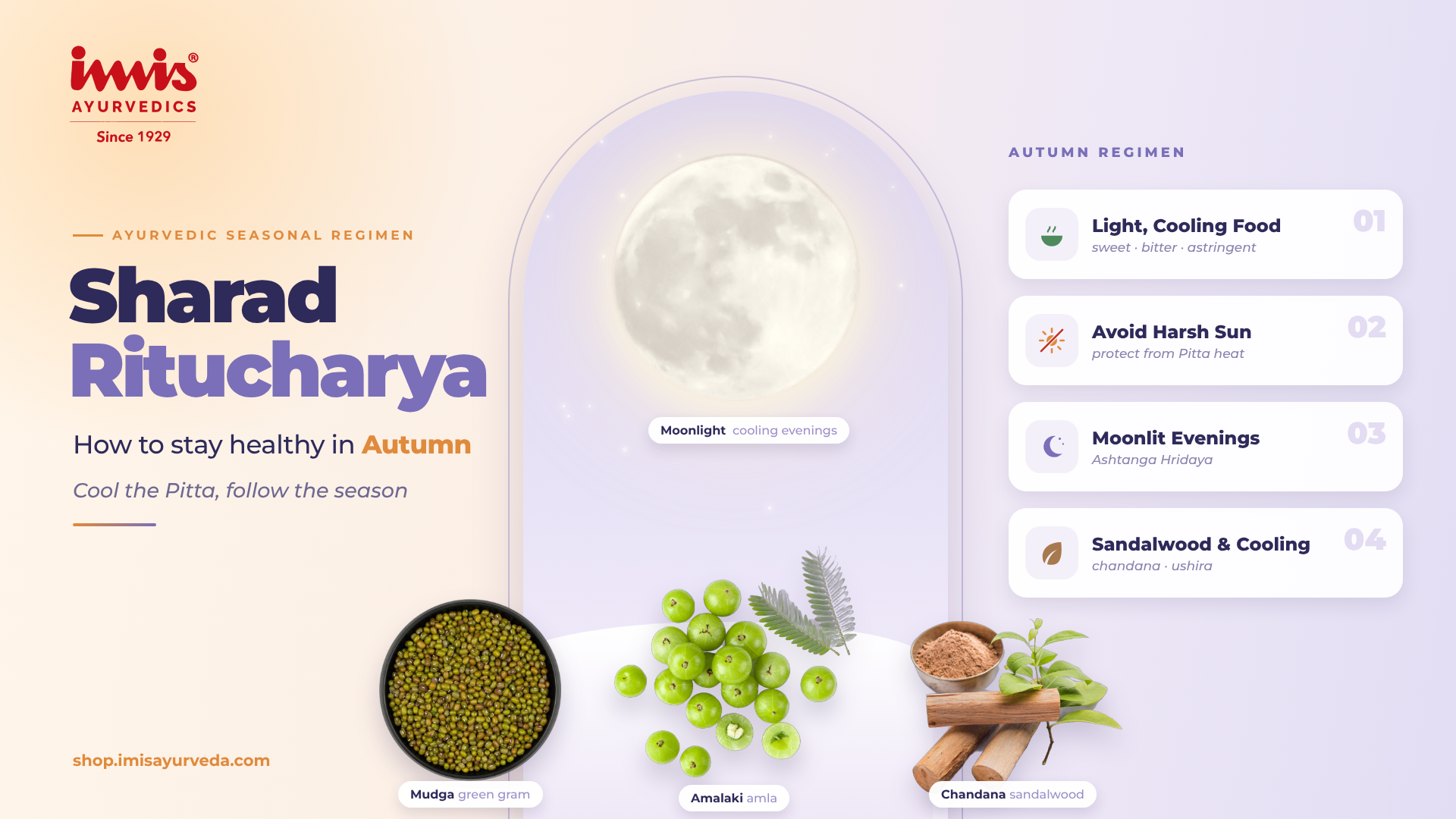
Nature undergoes continuous changes with every passing season, and these environmental variations closely influence the human body. Changes in temperature, humidity, rainfall and sunlight can influence digestion, metabolism and the body’s ability to adapt to its surroundings. Sharad Ritucharya, the Ayurvedic regimen for autumn, helps the body adjust to one such important change.
Ayurveda recognised this relationship between seasonal changes and human health thousands of years ago and developed a systematic approach called Ritucharya (seasonal regimen), which recommends modifications in diet and lifestyle according to each season.
Among the six seasons and regimens described in Ayurveda, Sharad Ritucharya (Autumn) holds importance because of the changes that occur in the body’s internal balance following the rainy season. Ayurveda considers it a period when Pitta (associated with heat, digestion and metabolic activities in the body), which has accumulated during the monsoon, becomes aggravated with the return of intense sunlight.
Understanding these seasonal changes and following appropriate dietary and lifestyle practices can help maintain physiological balance and support overall well-being.
Understanding Sharad Ritucharya: Why Is Autumn Important?
Sharad Ritu corresponds to the autumn season and in the Ayurvedic seasonal calendar, it follows the rainy season and precedes early winter.
During the rainy season, moisture, cloud cover and relatively lower temperatures characterise the atmosphere. Ayurveda considers these conditions conducive to the accumulation of Pitta. As the rainy season ends, clearer skies and increasing exposure to sunlight produce a sudden change in environmental conditions.
This transition is particularly significant in Ayurveda.
According to Ayurveda, Pitta, which represents heat, digestion and metabolic activities in the body, accumulates during the rainy season. This accumulated Pitta becomes aggravated when the body, used to the cool and rainy environment, suddenly faces the heat of the autumn sun.
As a result, this may manifest through symptoms such as excessive thirst, burning sensations, acidity and inflammatory skin complaints.
Therefore, the primary objective of the autumn regimen is to pacify aggravated Pitta and prevent disturbances associated with seasonal changes.
Sharad Ritucharya Diet During Autumn: Eat According to the Season
Food is one of the most important components of seasonal health management in Ayurveda. During autumn, the emphasis is on foods that are light to digest, naturally cooling and suitable for pacifying Pitta.
Classical Ayurvedic texts particularly recommend foods possessing three tastes:
- Sweet: Helps pacify Pitta and provides nourishment.
- Bitter: Traditionally considered useful in balancing excess Pitta.
- Astringent: Has a cooling and pacifying influence on excessive heat.
Foods recommended as per Ayurveda during autumn include:
- Shali rice (Red rice).
- Mudga (Green gram).
- Amalaki (Indian gooseberry).
- Patola (Pointed gourd).
- Preparations containing sugar candy.
- Honey in appropriate quantities.
- Light and easily digestible preparations.
- Meats and soups which are easy to digest.
In general, the emphasis should be on freshly prepared, appropriately portioned and easily digestible meals.
Foods and dietary habits to restrict:
Avoid excessive consumption of:
- Curd and heavy dairy preparations.
- Excessive oil and fatty foods.
- Strong alcoholic beverages.
- Alkaline preparations.
- Meat from aquatic and marsh-dwelling animals.
- Excessive quantities of food.
Maintain Digestive Health
In addition, digestion is an important consideration during seasonal transitions.
Ayurveda recognises that the functional capacity of digestion changes with variations in season and environmental conditions. During autumn, appropriate food selection and moderation are therefore particularly important.
Rather than experimenting with heavy meals or excessive dietary combinations, maintaining regular meal timings and paying attention to individual digestive tolerance can support digestive comfort.
Protect Yourself from Excessive Sun Exposure
One of the important lifestyle recommendations of autumn is avoiding excessive exposure to direct sunlight.
Ayurveda considers the autumn sun a major factor contributing to Pitta aggravation. It therefore recommends limiting excessive sun exposure, particularly during periods of intense heat.
From a practical perspective, staying hydrated, using appropriate sun protection and avoiding prolonged outdoor activity during peak sunlight hours are sensible precautions.
Embrace the Cooling Influence of Moonlight
An interesting and distinctive recommendation of the Ayurvedic autumn regimen is enjoying the coolness of moonlight.
Ashtanga Hridaya, a highly revered Ayurveda treatise, describes spending pleasant evenings under moonlight, traditionally on terraces or in open spaces, as part of the autumn regimen.
This practice relates to the cooling principle of autumn and aims to counterbalance the effects of environmental heat.
Even today, you can include comfortable evenings outdoors, a relaxed routine and less exposure to daytime heat in a modern lifestyle.
Sandalwood and Other Cooling Practices
Ayurveda recommends the external application of cooling substances such as:
- Chandana (sandalwood).
- Ushira (vetiver).
- Karpura (camphor).
Tradition values these substances for their cooling properties, and classical texts mention them in the context of autumn lifestyle practices.
In particular, Ayurveda recommends sandalwood paste as part of the traditional practice of applying cooling preparations to the body.
However, such applications should be appropriate for the individual’s skin type, with attention to possible allergies or irritation.
Ayurvedic Purification Procedures in Sharad Ritucharya
Ayurveda traditionally considers autumn an appropriate period for certain Ayurvedic purification procedures, particularly those intended to address aggravated Pitta.
Two procedures prominently mentioned in classical texts are:
Virechana Karma (Therapeutic Purgation)
Virechana is a specialised Ayurvedic purification procedure that facilitates therapeutic elimination through the intestinal route. Practitioners traditionally use it to manage aggravated Pitta and its complications.
Raktamokshana (Bloodletting Therapy)
Raktamokshana is a classical Ayurvedic procedure described in the condition of vitiated Pitta and Rakta.
Classical Ayurvedic literature describes both procedures in the context of the autumn regimen.
However, these are medical procedures, not general wellness practices. They require proper assessment, appropriate indications and supervision by qualified practitioners. Do not undergo them simply because it is autumn.
Physical Routine During Autumn
Ayurveda recommends maintaining a moderate and balanced physical routine during autumn, while avoiding activities that generate excessive body heat. Unlike the colder seasons, when vigorous exercise is generally better tolerated, autumn calls for moderation in physical exertion. Activities such as gentle walking, mild exercises and recreational outdoor activities during cooler hours can become part of the daily routine. Therefore, avoid excessive physical strain, prolonged exposure to direct sunlight and strenuous activities during peak daytime heat.
Seasonal Awareness: A Preventive Approach to Health
The underlying principle of Ritucharya or seasonal regimen is that health maintenance should not remain the same throughout the year.
Just as nature changes from one season to another, our dietary habits, physical activities and daily routines should also adapt.
Autumn offers an opportunity to reassess eating habits, reduce dietary excesses, maintain digestive comfort and adopt practices that help the body adjust to seasonal changes.
Moreover, this approach is especially relevant during the transition between the rainy season and early winter, when environmental conditions can change considerably.
Conclusion: Why Sharad Ritucharya Matters
Sharad Ritucharya or autumn regimen is an important component of the Ayurvedic approach to preventive healthcare. It highlights the relationship between environmental changes, bodily responses and the importance of adapting our lifestyle according to the season.
The recommendations centre on a few fundamental principles: consuming light and suitable foods, moderating dietary excesses, avoiding excessive sun exposure, enjoying pleasant evenings, adopting cooling practices and considering appropriate therapeutic procedures when clinically indicated.
Rather than treating seasonal changes as unavoidable challenges, Ayurveda encourages us to understand them and respond through appropriate daily habits. The essence of Sharad Ritucharya is to restore balance by adapting our food, activities and lifestyle to the changing environment, an approach that remains relevant to seasonal health and well-being even today.